
At the legal activism of the sports community regarding the effects of war on sports facilities and programs, it was stated:

Dr. Nader Shokri, President of the Iranian Scientific Association of Sports Law, at this meeting emphasized the necessity of legal activism by the sports community in response to the destructive effects of war on sports infrastructure and programs, and elaborated on international responsibilities in this regard.
At the legal activism of the sports community regarding the effects of war on sports facilities and programs, it was stated:
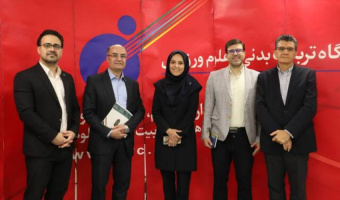
According to the Public Relations Department of the Institute of Physical Education and Sport Sciences, at this meeting, Dr. Shokri, emphasizing the position of sport as a symbol of peace and global understanding, elaborated on the legal dimensions and devastating consequences of war on this field.
He said: "Sport as a tool for peace: The Olympic Charter emphasizes the role of sport in building a peaceful world, but war takes its first victims among sports facilities and programs. Attacking a stadium is not merely destroying a building; it is a blow to cultural identity, social fabric, and opportunities for youth development."
Regarding the legal status of sport in the international system, he stated: "Sport, beyond being a mere activity, is recognized in international documents as a symbol of peace, understanding, and sustainable development. Wars target not only human lives and property but also vital social and cultural infrastructure, including sports facilities."
Dr. Shokri continued: "The concept of legal activism: Legal activism in response to war‑induced incidents is not merely judicial pursuit; it includes mobilizing legal capacities, raising awareness, and using legal tools to defend violated rights. The sports community, given its breadth, has enormous potential for such activism."
Dr. Shokri raised this key question: Are attacks on sports facilities considered war crimes? Under International Humanitarian Law (IHL), sports facilities are by default considered civilian objects unless they acquire a military use. The principle of proportionality in international law also requires that collateral damage to civilian facilities be minimized.
Deliberate attacks on civilian objects and the destruction of civilian property without military necessity are subject to international criminal responsibility and the jurisdiction of the International Criminal Court (ICC). Furthermore, states are responsible for compensating damages to property belonging to the state or its nationals.
The President of the Iranian Scientific Association of Sports Law, regarding the role of international organizations, added: The Hague and Geneva Conventions and their Additional Protocols emphasize the protection of cultural and social facilities. UNESCO also classifies sports facilities as socio‑cultural facilities requiring special protection and can play a role through cultural diplomacy and political pressure.
Regarding the rights of athletes in times of war, he stated: "In wartime conditions, the force majeure clause in sports contracts comes into play, which, depending on the contract's provisions, can lead to the termination or suspension of contracts. The regulations of international federations such as FIFA also provide mechanisms to protect athletes' rights during war."
Dr. Shokri elaborated on existing challenges and solutions: Collecting evidence, proving the civilian nature of sports facilities, identifying perpetrators, and enforcing judgments are among the challenges facing legal claims in this field. Dr. Shokri emphasized the need to review and strengthen legal protocols and establish protective laws for more comprehensive protection of sport against the effects of war.
At the end of his remarks, Dr. Shokri, while thanking the organizers and attendees, stressed the necessity of active and activist action by various pillars of sport — including sports federations, the National Olympic Committee, and the Ministry of Sports — relying on existing legal tools at both national and international levels, to protect sports assets and pursue violated rights
Your Comment :