
At the specialized meeting of sports community activism in managing the effects and consequences of war on sports facilities and programs, the psychological dimensions of attacking sports facilities were discussed

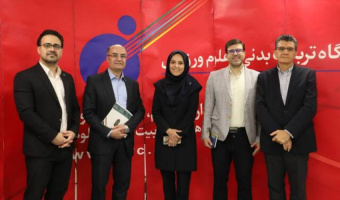
Dr. Seyyed Mohammad Kazem Vaez Mousavi, Professor at Imam Hussein Comprehensive University, at the specialized meeting of sports community activism in managing the effects and consequences of war on sports facilities and programs, addressed the psychological dimensions of attacks on sports facilities.
At the specialized meeting of sports community activism in managing the effects and consequences of war on sports facilities and programs, the psychological dimensions of attacking sports facilities were discussed
According to the Public Relations Department of the Institute of Physical Education and Sport Sciences, Dr. Vaez Mousavi stated at this meeting that attacks on sports facilities pursue specific psychological objectives. He explained that these facilities are symbols of security, joy, collective belonging, and purposefulness, and their destruction damages the sense of security, weakens collective identity, and creates a feeling of loss of meaning and purpose in individuals. The enemy's intention is to create depression and hopelessness in young athletes.
Citing scientific research, he stated that enemies, being aware of these psychological aspects, target sports facilities to inflict widespread psychological damage on society. Dr. Vaez Mousavi emphasized that under such circumstances, maintaining mental health and social health is vital.
He also stressed the importance of paying attention to the psychological dimensions of war and their impact on mental health and society, and offered strategies for maintaining resilience in crisis conditions.
Dr. Vaez Mousavi then provided recommendations for maintaining mental health under the psychological pressure caused by war:
Recognizing and accepting emotions: Individuals need to recognize the emotions and feelings arising from psychological pressure, not deny them, name them, and record them.
Managing information: The intake of information should be limited, and news sources should be checked only once a day to avoid unnecessary anxiety.
Providing psychological support for children and the elderly: These vulnerable groups need special attention and support, and their daily routines (such as sleep, nutrition, homework, play, etc.) should be kept regular.
Seeking professional help: If needed, consulting psychology professionals is not a flaw and can help improve mental health.
He also emphasized the importance of social health and said:
Strengthening social connections: Maintaining and strengthening relationships with family, friends, and acquaintances, participating in social and religious activities, and helping others can help reduce anxiety and improve quality of life.
Maintaining social order and responsibilities: Adhering to social order and fulfilling responsibilities helps maintain a sense of purpose and social cohesion.
The professor at Imam Hussein Comprehensive University concluded by noting that under these circumstances, maintaining social relationships, accepting emotions, managing information, supporting vulnerable groups, thinking about the future, and doing small daily tasks that reinforce a sense of progress and hope play an important role in societal resilience. Dr. Vaez Mousavi, emphasizing empathy, cooperation, and adherence to human principles, expressed hope that this crisis can be overcome and a better future can be built.


Your Comment :